
Metal trims play a vital role in developing a strong and long-lasting roofing system. At the beginning of any installation, choosing the right metal trims ensures proper structure, protection, and appearance. Homeowners and contractors depend on accurate metal sheet trim to support reliable performance, especially in regions that experience seasonal weather changes. As part of the metal roofing components provided by Fasteel, these trims contribute to a well-built and durable roofing system. With the growing demand for dependable metal roof flashing San Antonio, it is important to understand the function and value of these finishing elements.
This guide explains the purpose, types, and installation considerations of metal trims so you can make informed decisions during roofing projects.
Understanding the Role of Metal Roof Trims
Metal trims are essential finishing pieces installed at roof edges, corners, joints, and wall intersections. They support the structure of the roof by sealing gaps, directing water flow, and completing the overall appearance. Without proper metal sheet trim, roofing panels cannot perform as intended. These components strengthen vulnerable points and help protect the system from moisture and external exposure.
Fasteel offers metal trims that assist with accurate alignment and long-term roof performance. Each trim type supports a specific function and contributes to the durability of the installation.
Why Metal Trims Matter in Modern Roofing
Roofing systems face continuous exposure to sun, wind, temperature shifts, and moisture. Metal trims help maintain the stability of these systems by reinforcing edges and transitions. They also guide water into appropriate drainage paths, preventing buildup in areas where leaks could occur.
In regions like San Antonio, effective water management is especially important. Reliable metal roof flashing San Antonio supports protection by preventing water from entering joints, overlaps, and roof-to-wall connections.
Key Functions of Metal Trims
Roof trims contribute to the performance and longevity of roofing systems in several ways:
- Strengthen roof edges
- Support water drainage
- Reduce moisture exposure
- Improve visual alignment
- Protect transition points
Each function is essential for maintaining a long-lasting and structurally sound roof.
Types of Metal Roof Trims Used in Roofing Systems
Different areas of a roof require unique trim shapes and functions. Since Fasteel offers a complete range of metal trims suitable for various roof designs, understanding their application helps ensure proper installation.
Edge Trims: Edge trims protect the outer boundaries where roofing panels end. These areas often experience direct wind and water exposure. Properly installed edge trims help keep the panels secure and aligned.
Drip Edge: A drip edge directs water away from the fascia. It helps prevent water from traveling underneath the roofing material. This trim supports clean water flow along the lower roof edges.
Ridge Trims: Ridge trims cover the peak of the roof where two slopes meet. This area must be protected to avoid moisture entering the structure.
Ridge Cap: A ridge cap is the most common ridge trim. It covers the joint between the roof slopes and provides a clean, continuous finish. It also allows proper air movement when paired with a ridge vent.
Corner and Transition Trims: Some roofs feature corners, bends, or direction changes. Transition trims ensure a smooth fit between panels at these points.
Outside Corner Trim: Outside corner trims protect external angled areas and enhance the finished appearance of the roof structure.
Wall and Roof Intersection Trims: These trims cover areas where the roof meets a wall, helping redirect water and seal the transition.
Headwall Flashing: Headwall flashing is used where the roof slopes downward toward a vertical wall. It guides water away from the wall surface.
Sidewall Flashing: Sidewall flashing covers the joint between the roof and a vertical wall, reducing the risk of water entering gaps.
Valley Trims: Valley trims are installed where two roof slopes meet to form a valley. They guide rainwater downward into gutters and protect the valley surface from moisture exposure.
Comparison Table: Common Metal Trim Types and Their Uses
| Trim Type | Primary Function | Common Application |
| Drip Edge | Directs water away from fascia | Roof perimeter |
| Ridge Cap | Covers joint at roof peak | Roof ridge |
| Headwall Flashing | Protects roof-to-wall transition | Vertical wall intersection |
| Sidewall Flashing | Secures seam where roof meets wall | Roof and wall side joints |
| Valley Trim | Guides water through valleys | Internal roof angles |
| Corner Trim | Covers angled roof sections | External and internal corners |
Each trim serves a specific function in reinforcing and protecting roofing systems.
Metal Roof Flashing San Antonio: Performance Considerations
San Antonio weather can include sun exposure, seasonal rainfall, and temperature changes. These conditions require components that help manage water flow and maintain structural accuracy. Effective metal roof flashing strengthens areas that might otherwise be vulnerable to moisture entry.
Fasteel provides metal trimming solutions designed to support accurate alignment and structural consistency, which are essential for roofing systems exposed to fluctuating conditions.
Benefits of Using Quality Metal Sheet Trim
Metal sheet trim offers several key benefits that help maintain roofing performance.
Consistent Structural Protection :Trims help support areas that roofing panels cannot fully protect. They add strength and help maintain reliable performance throughout the system.
Improved Water Control: Metal trims help direct water away from sensitive seams, guiding it toward appropriate drainage channels.
Clean and Finished Appearance: Trims create straight edges, uniform corners, and neatly finished roof lines.
Better Panel Alignment : Metal trims help keep panels in place and maintain proper alignment across the slope.
Metal Trims from Fasteel: Brand-Centric Overview
Fasteel provides various metal roofing components designed to support long-term structure and alignment. Their metal trims help meet the needs of different roof styles and applications. These pages provide an overview of the available components designed to support durable roofing systems.
Installation Considerations for Metal Trims
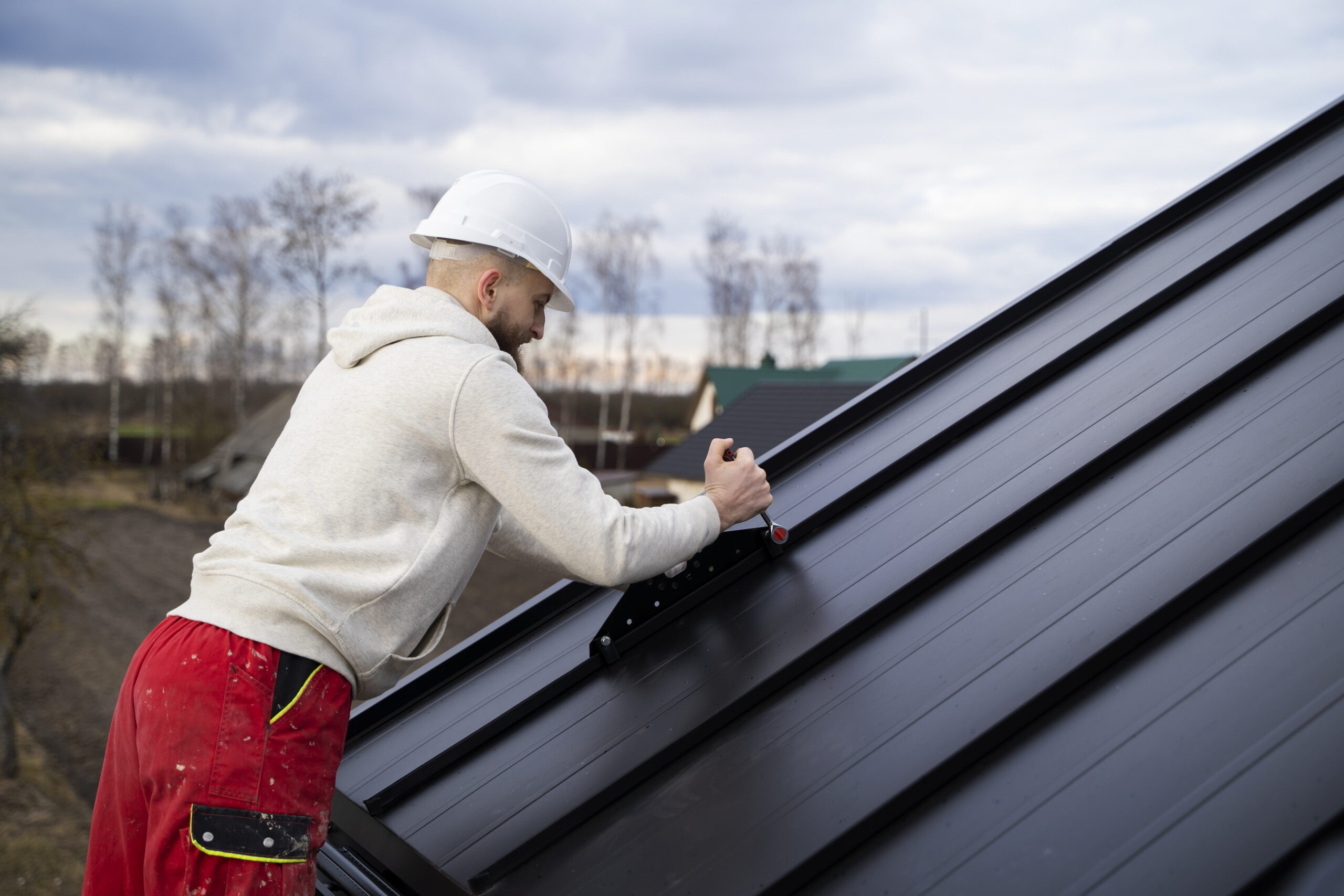
Correct installation determines the effectiveness of metal trims. Roofers must measure accurately, secure materials properly, and maintain alignment with roofing panels.
Key Installation Tips
- Verify accurate measurements
- Fit trims tightly against panels
- Ensure proper overlap when required
- Secure fasteners correctly
- Maintain straight alignment
Following these steps helps maintain long-term roof performance.
Maintenance and Inspection of Metal Trims
Regular inspections help ensure that metal trims remain effective. Over time, exposure to outdoor conditions may cause wear in certain areas. Checking for loose trims, buildup, or misaligned sections supports long-term roof stability. Clearing debris from roof edges also helps maintain proper drainage.
Conclusion
Metal trims play an important role in supporting durable and well-aligned roofing systems. They help maintain water control, protect joints, and complete the appearance of metal roofs. Fasteel provides metal roofing components designed to support structure and consistent alignment. To learn more about roofing materials or to discuss upcoming projects, contact us today.
FAQs
1.What are metal trims used for in roofing?
Metal trims help protect edges, corners, and joints by sealing gaps and guiding water away from the roof surface.
2.Are metal trims necessary for metal roofs?
Yes. They reinforce vulnerable areas and support long-term structural performance.
3.What is metal roof flashing?
Metal roof flashing protects areas where roof panels meet or where the roof connects to a wall.
4. How long do metal trims last?
Their lifespan depends on installation quality, material type, and regular inspection.
5. Where are valley trims installed?
They are placed in roof valleys where two slopes meet to help direct rainwater toward drainage areas.